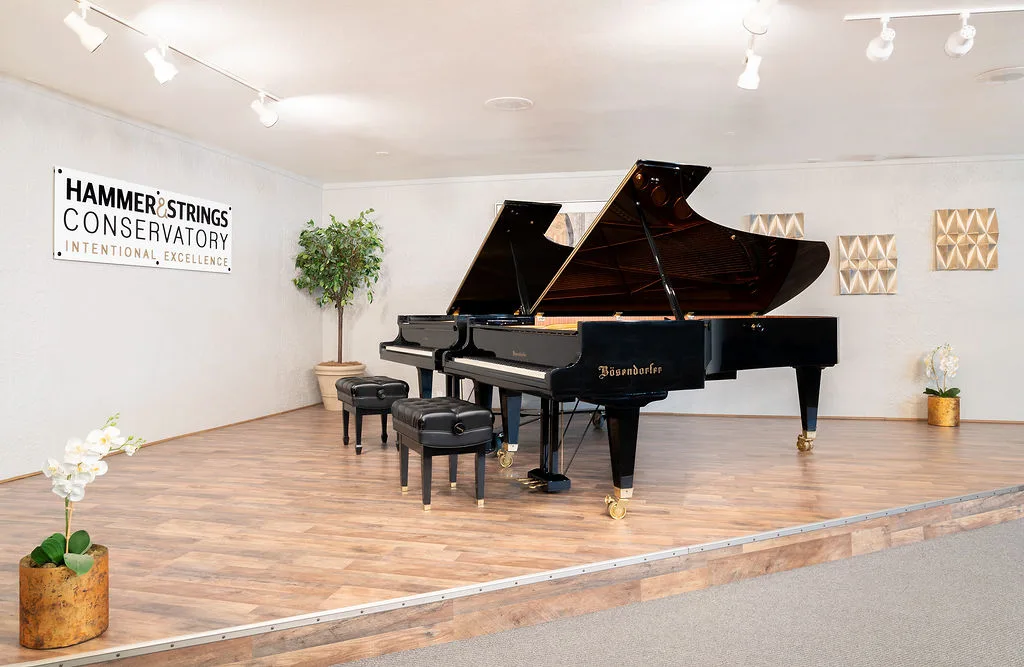
Two grand pianos on the Conservatory stage.
Our Story

We didn’t build it to be cheap. We built it to be valuable.

Hammer & Strings began with a simple conviction: serious students in the East Valley deserved more than the usual model offered. The teacher’s living room. The slightly out-of-tune upright. The 16-year-old giving the lesson. We knew music education here could be so much more.

Our founder spent two decades performing and teaching at the university level before opening this school with one idea: what would a music education look like if it were designed around the student becoming excellent, rather than around the teacher’s convenience?

The answer is what you’ll find here. Performance-grade instruments in every room. Cameras in every studio. Faculty with doctorates. A recital program that rivals conservatories in much larger cities. And a tuition that reflects all of it, because pretending otherwise doesn’t help anyone.
What We Believe

Six principles that built this school.

Music education isn’t mysterious. The students who become excellent musicians do so for predictable reasons. These are the six we built the Conservatory around.

Principle 01

Teacher first.

A student’s success depends on the experience, education, and skill of their teacher. We hire conservatory-trained, performing musicians, not college students between gigs.

Principle 02

Discipline and family support.

The student’s focus and persistence matter. So does the parent’s support, especially for younger students. Both have to show up for the work to compound.

Principle 03

Years, not weeks.

Real musical training is the product of steady, consistent tutelage and correct practice habits over years. We design the program for the long arc, not the next recital.

Principle 04

How they respond to pressure.

Excellence is what happens when expectations become inconvenient and challenging. Our students are taught to meet that moment, not avoid it.

Principle 05

Talent is discovered, not assumed.

A young student’s talent is best uncovered when they start with an excellent teacher. The right first teacher reshapes what’s possible.

Principle 06

Music shapes everything.

The discipline of serious musical study positively affects every other part of a student’s life: school, attention, resilience, identity, and the long-term capacity to do hard things well.

What Makes Us Different

Four things most music schools don’t have.

Faculty who perform at the highest level

Every Conservatory teacher holds a masters-level or doctoral degree in music, and most are actively performing at international festivals in Italy and Ireland, with local symphonies, and in professional chamber groups. When your student is ready for the next level, there’s no ceiling here.

Instruments worth playing

Our signature studio features a performance-grade piano valued near $250,000. Other studios are outfitted with well-maintained Steinway-class instruments. Every instrument is tuned and serviced on a schedule, not when we get around to it.

Monitored studios

Every private studio and our recital hall is on camera, with footage reviewable by parents on request. It’s a standard we set the day we opened. If you’re trusting a school with your child, you should be able to see what’s happening inside it.

A cohort, not a silo

Our students perform for and learn from each other in recitals, chamber ensembles, and masterclasses. A private teacher alone can’t give you that.

Leadership

The people running the school.

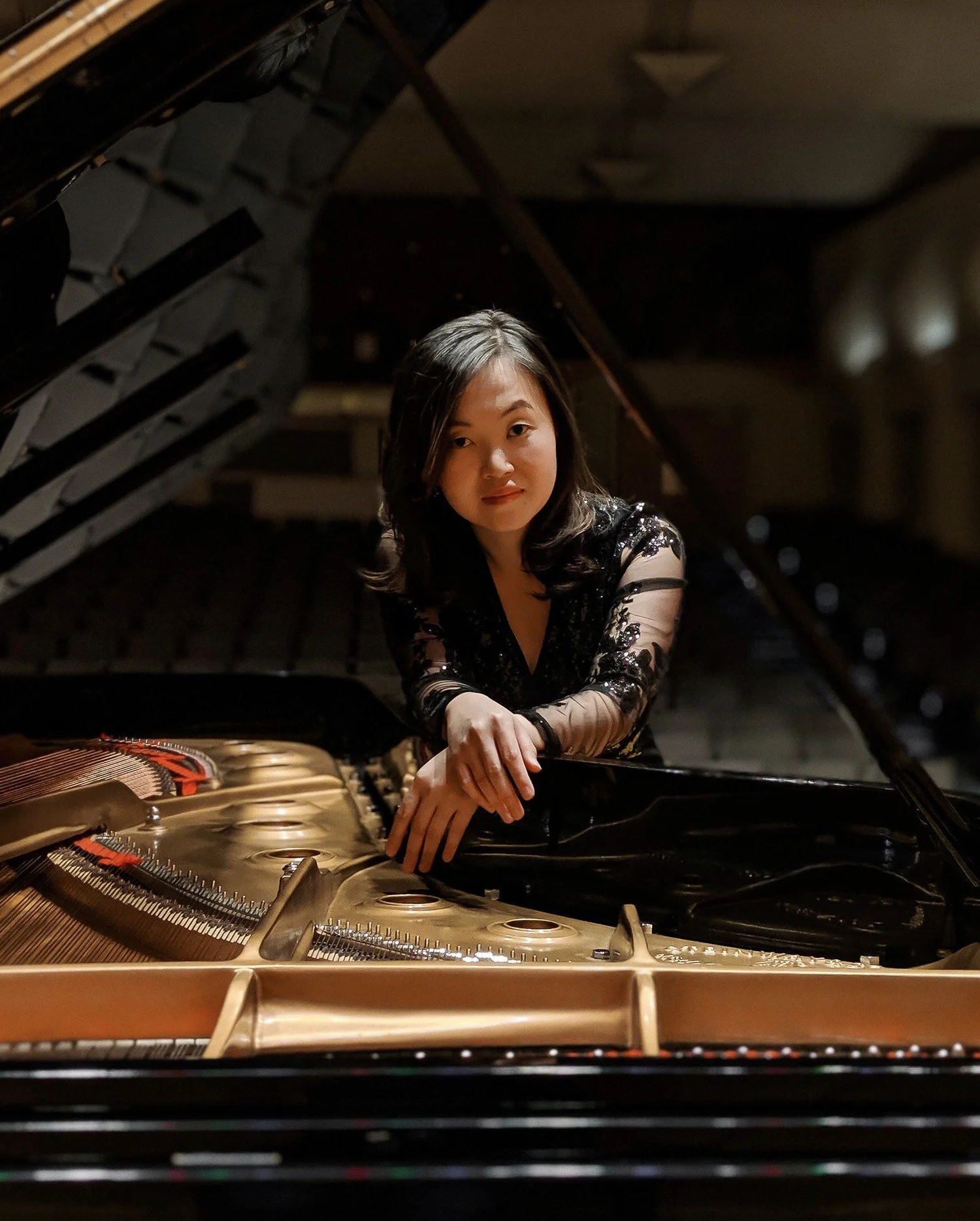
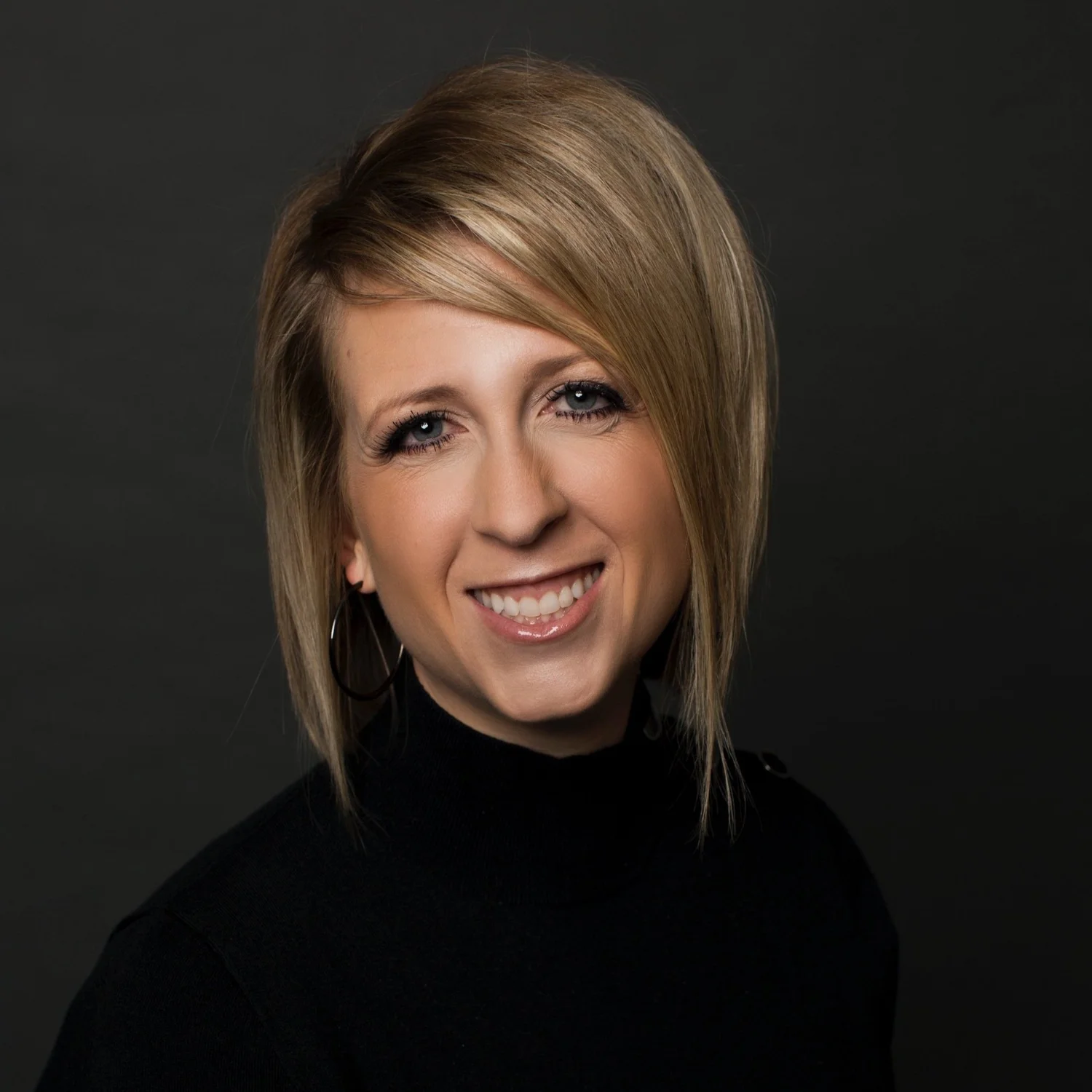
Dr. Karali Hunter portrait.

Founder & Director

Dr. Karali Hunter

Award-winning pianist and pedagogue with a Carnegie Hall debut and 20+ years teaching. Doctorate from ASU under Baruch Meir; Master’s from Indiana University Jacobs School. Founded the Conservatory to give serious Arizona musicians the training they would otherwise leave the state to find.

Full Bio →
Dr. Olga Kim portrait.

Piano Department Head

Dr. Olga Kim

A native of Tashkent who debuted in New York with the Tashkent Piano Trio. Doctorate from Arizona State University; Professional Performance Certificate from Lynn University Conservatory of Music. Leads piano curriculum across recreational, traditional, and Conservatory tracks.

Full Bio →
Johnny Rice portrait.

Strings Department Head

Johnny Rice

Arizona native and accomplished cellist who has performed at Carnegie Hall, throughout California and Washington, and across the United States in duo with his brother Chris. Sets the strings standard at H&S (violin, viola, cello) and teaches piano on the side.

Full Bio →
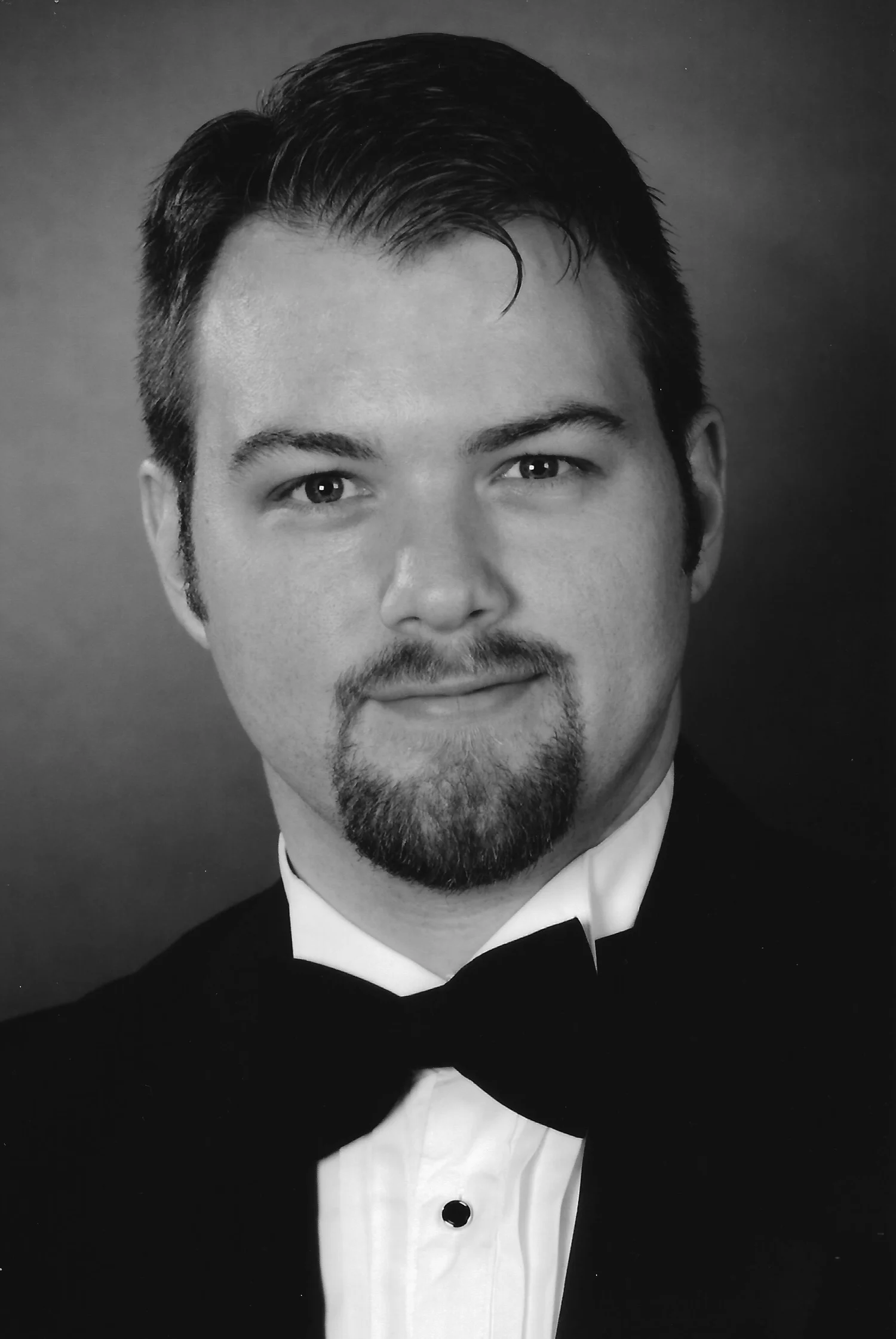
Nathan Northrup portrait.

Vocal Department Head

Nathan Northrup

Tenor who earned his Bachelor of Music at Brigham Young University under Dr. Clayne Robison. Leads the voice department across private lessons and the Conservatory’s group singing classes.

Full Bio →
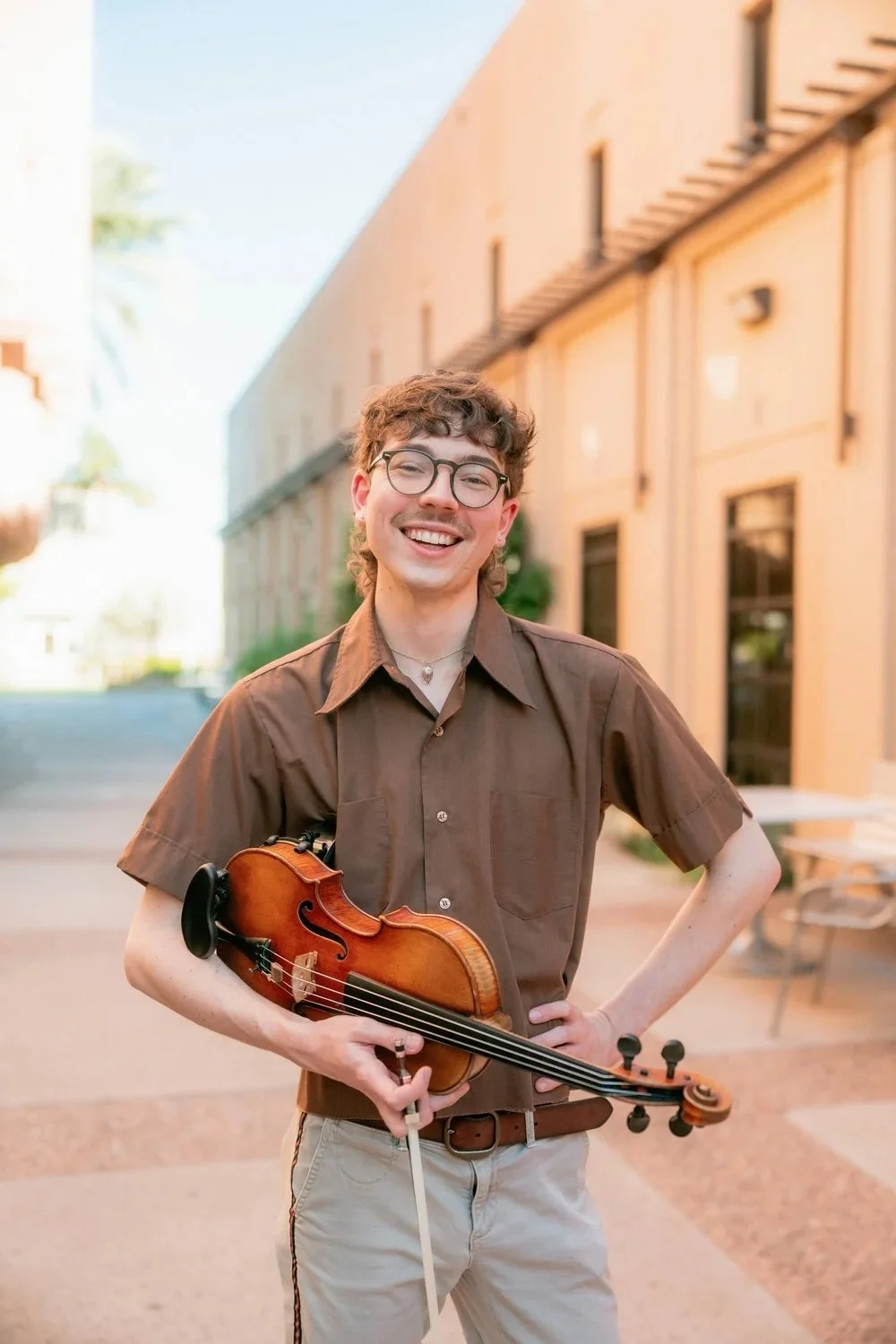
Luke Stikeleather portrait.

Chamber Department Head

Luke Stikeleather

Violinist completing a Master of Music at Arizona State University under Dr. Katherine McLin, with degrees from the University of North Carolina at Greensboro. Heads the chamber music program and its ensembles.

Full Bio →
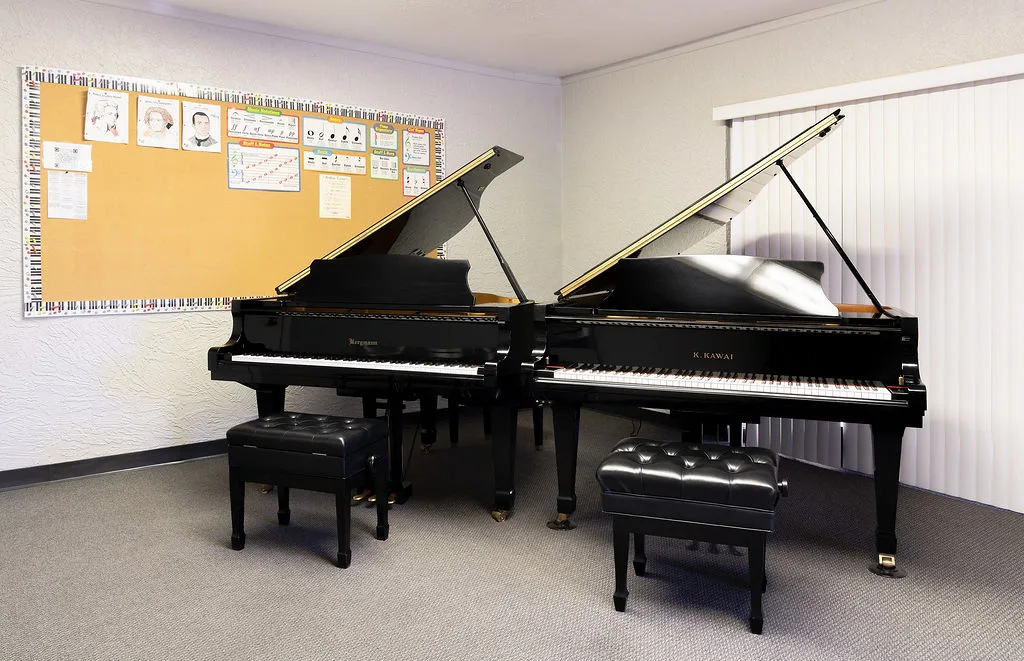
A Conservatory practice room with two grand pianos.
Facility

610 N. Gilbert Rd., purpose-built for practice and performance.

Our Gilbert campus includes a main recital hall, private teaching studios for every instrument we support, a chamber rehearsal space, and a student-family lounge. Free parking. Easy access from the 202 and US-60. At its heart is the Liszt Recital Hall, home to a 9’1″ Bösendorfer Concert Grand and available to rent for recitals and events.

Plan a Visit Rent the Hall →
Safe · Monitored · Professional

Every studio is on camera. Every room.

Parents should not have to wonder what’s happening in their child’s lesson. Every private studio at the Conservatory, and our recital hall, is equipped with continuously-recording cameras. Footage is reviewable by parents on request. It’s a standard most schools don’t offer; at this school, it’s non-negotiable.

Our Nonprofit Sister

Every student deserves music. Not every student can pay for it.

The Academy is our 501(c)(3) outreach arm, providing music instruction to Title One schools and partner organizations across the East Valley. Academy students who show extraordinary promise are invited to continue their training at the Conservatory on full or partial scholarship through the Conservatory Fellowship.

Learn About the Academy →
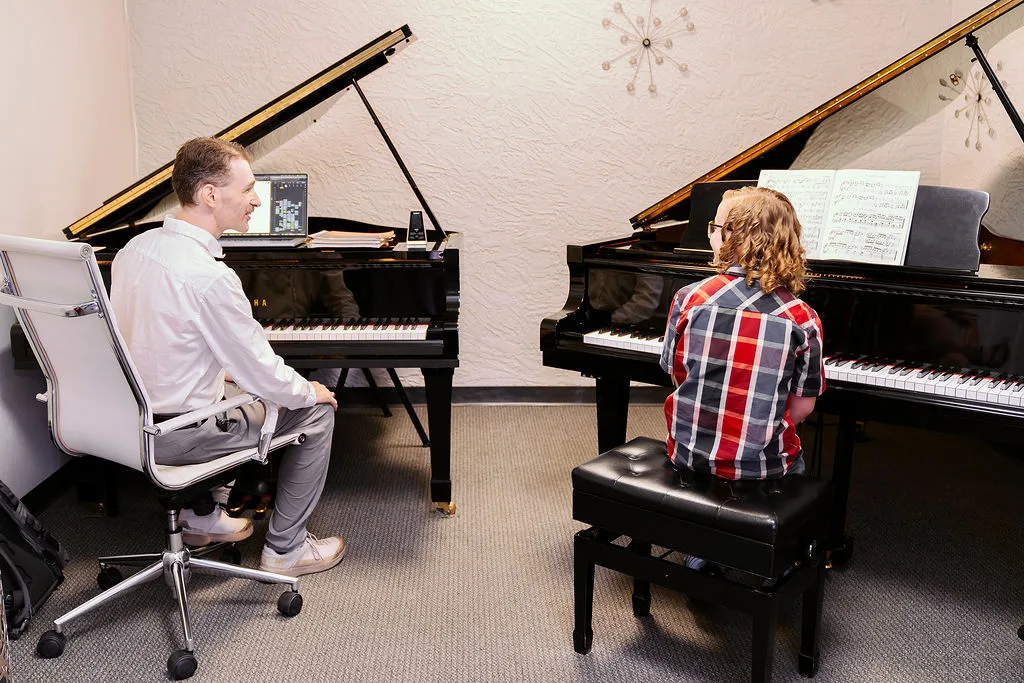
A teacher and student working together at the Conservatory pianos.

Want to see the space and meet a teacher?

Book a Consultation